ការបិបន៍នា
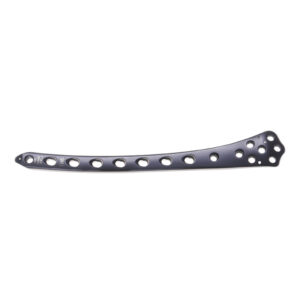
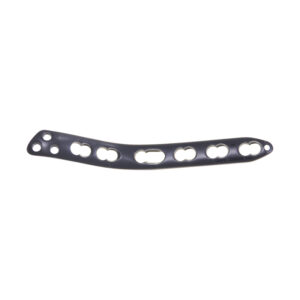
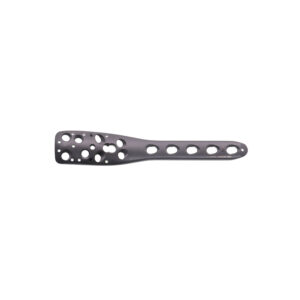
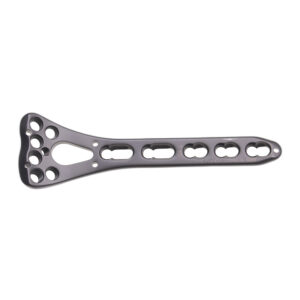
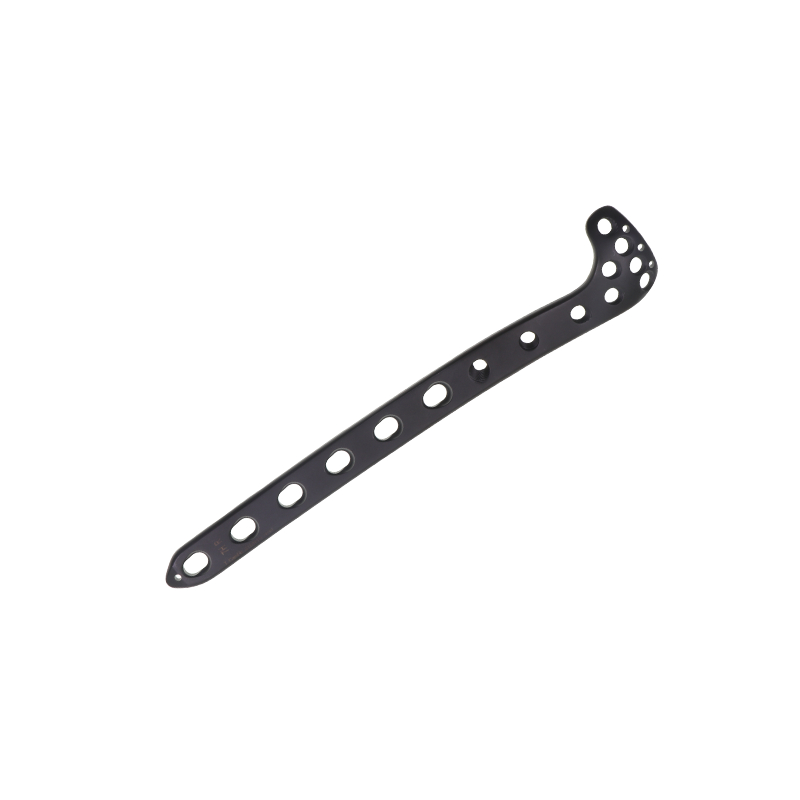
LCP Lateral Tibial Plateau Plate
q&នៃក
សំណួរទី 1: What is the LCP Lateral Tibial Plateau Plate used for?
ក 1: It is designed for fixation of proximal tibial lateral plateau fractures, including split, depression, and comminuted fractures.
សំណួរទី 2: Why choose a lateral plate for proximal tibia fractures?
A2: The lateral plate provides direct access to the lateral plateau, facilitates anatomical reduction, and preserves medial soft tissue structures.
សំណួរទី 3: What are the benefits of a locking compression plate (LCP)?
A3: LCP offers angular stability, strong fixation in osteoporotic bone, and minimizes the risk of screw loosening or fracture collapse.
សំណួរទី 4: What material is the plate made of?
ក 4: It is made from titanium alloy (Ti-6AL-4V) or medical-grade stainless steel, ensuring strength, corrosion resistance, and biocompatibility.
q5: How is the plate anatomically designed?
ក 5: The plate is pre-contoured to fit the lateral surface of the proximal tibia, with distal holes angled to support the articular surface and optimize screw placement.
q6: What screw types are compatible with this plate?
ក 6: It uses locking screws for metaphyseal fixation and cortical screws for shaft compression, allowing hybrid fixation.
q7: Can this plate be used for comminuted or osteoporotic fractures?
A7: បាត, the fixed-angle locking mechanism provides excellent stability for comminuted fractures or poor-quality bone.
សំណួរទី 8: What are the available plate sizes and configurations?
ក 8: Plates come in various lengths (3–13 holes) and are available in left and right anatomical versions.
សំណួរទី 9: What surgical approaches are commonly used?
A9: It can be applied via open reduction internal fixation (ORIF) or minimally invasive percutaneous plate osteosynthesis (MIPPO) techniques.
Q10: What are potential complications?
A10: Complications may include hardware irritation, loss of reduction, knee stiffness, or delayed healing, particularly in high-energy injuries or osteoporotic bone.