Опис
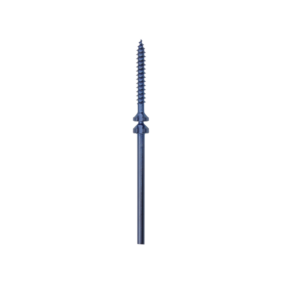
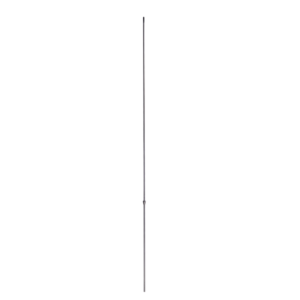
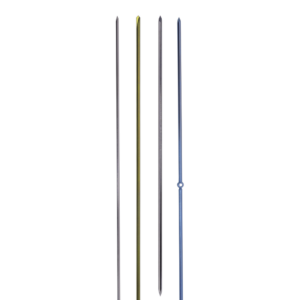
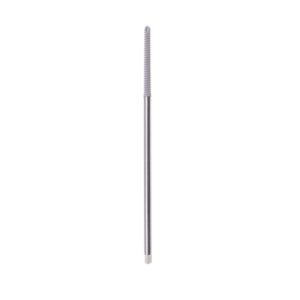
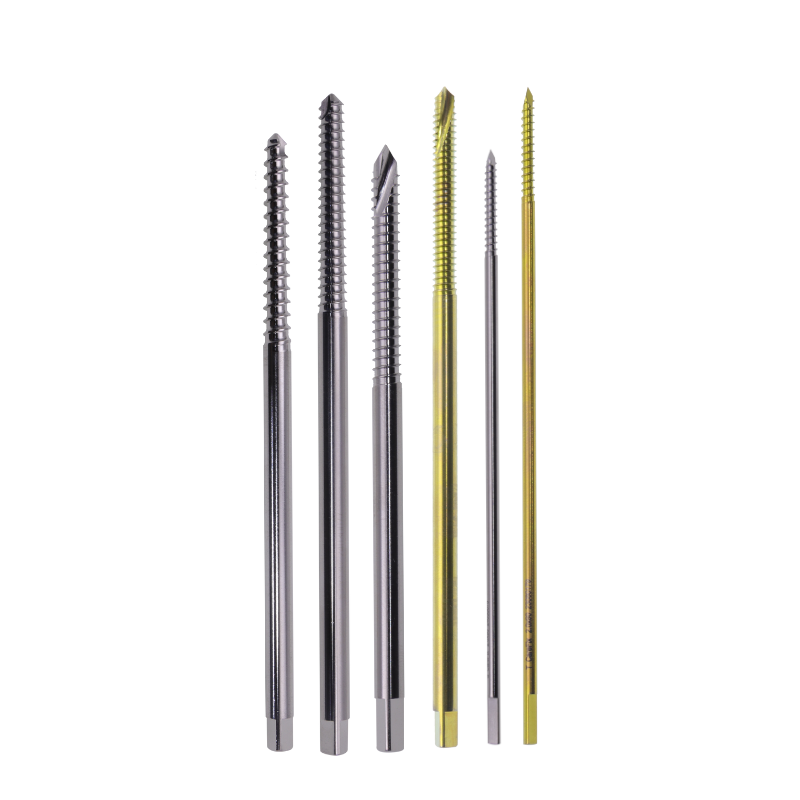
Шанц Гвинт
Q&А
Q1: What is a Schanz Screw and what is its primary function?
A1: A Schanz screw is a large, threaded pin specifically designed for external fixation systems. Its primary function is to securely anchor into the bone cortex and connect to an external frame, providing stable fixation for fracture management, подовження кінцівок, or deformity correction.
Q2: What are the key design features that distinguish a Schanz Screw?
A2: Key design features include:
Partial threading: Typically threaded only in the distal portion for secure cortical purchase
Self-tapping/self-drilling tip: Many modern versions have self-drilling tips
Robust core diameter: Designed to withstand mechanical loads
Proximal connection end: Configured to connect securely to external fixator rods
Q3: What are the most significant complications associated with Schanz Screws?
A3: Major complications include:
Pin tract infection
Neurovascular injury during insertion
Bone thermal necrosis from improper drilling
Pin loosening over time
Stress riser effect leading to peri-pin fractures
Q4: What is the difference between self-drilling and self-tapping Schanz Screws?
A4:Self-drilling screws have a sharp tip that eliminates need for pre-drilling
Self-tapping screws require a pilot hole but cut their own threads
Choice depends on bone quality and surgical preference
Q5: How do surgeons determine the appropriate size and length of Schanz Screws?
A5: Selection is based on:
Bone diameter and quality at insertion site
Soft tissue thickness requiring adequate clearance
Frame configuration and mechanical requirements
Patient anatomy and body habitus
Q6: How has the design of Schanz Screws evolved to improve outcomes?
A6: Modern improvements include:
Hydroxyapatite coating to enhance bone integration
Improved thread designs for better purchase
Tapered tips for easier insertion
Corrosion-resistant materials for long-term use
Standardized connections for universal compatibility