Opis
Pedijatrijski teleskopski intramedularni nokat
Q&A
Q1: What is a Telescopic Intramedullary Nail?
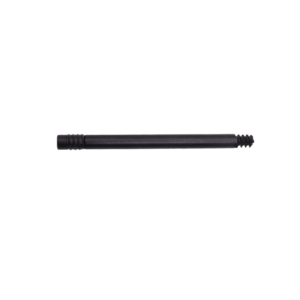
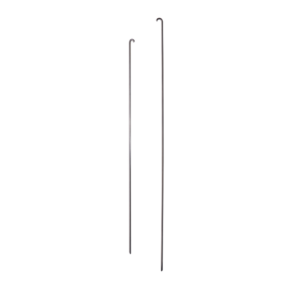
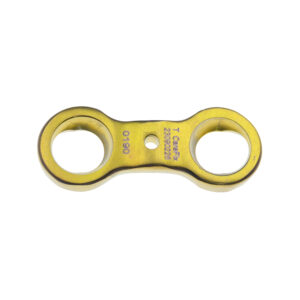
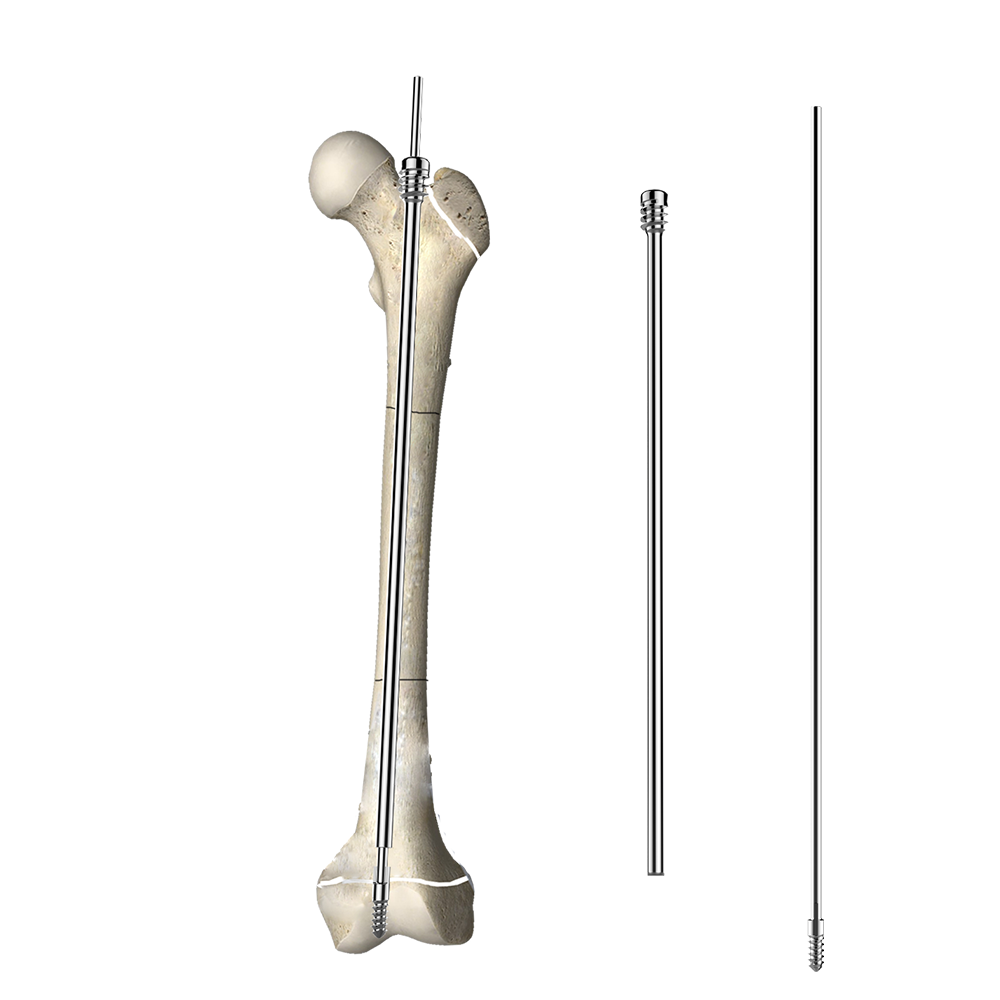
A1: Telescopic Intramedullary Nail is a special type of intramedullary implant designed to expand in length as the bone grows. It provides stable internal fixation while accommodating longitudinal bone growth, making it ideal for treating osteogenesis imperfecta and congenital limb deformities in children.
Q2: How does a Telescopic Nail work?
A2:It consists of two interlocking components, a male and a female segment,that slide telescopically within each other. As the bone lengthens during growth, the nail extends proportionally, maintaining internal support without the need for repeated surgeries.
Q3: What are the advantages of pediatric telescopic nails over standard intramedullary nails?
A3:Telescopic Nails grow with the bone, reducing the need for repeated surgeries. They offer long-term fixation, fewer refractures, better alignment, and improved mobility compared with traditional static nails.
Q4:How are Telescopic Nails inserted surgically?
A4:The procedure typically involves open reduction and internal fixation through small incisions at the bone ends. Both components (male and female) are anchored in the epiphyses to ensure proper fixation and telescoping as the bone grows.
Q5:What complications can occur with adolescent telescopic nail fixation?
A5:Potential issues include nail migration, bending or disengagement, growth plate injury, or mechanical failure. Međutim, modern nail designs (E.g., Fassier-Duval nail) significantly reduce these risks.
Q6:At what age can Telescopic Nails be implanted?
A6:They are generally implanted in children aged 3–12 years, depending on bone size and the presence of open growth plates. Proper timing ensures both stability and continued growth accommodation.
Q7:What postoperative care is required after Telescopic Nail implantation?
A7:Patients usually require partial weight-bearing initially, followed by gradual mobilization and physiotherapy. Regular X-ray monitoring is essential to assess bone healing and nail extension.