ការបិបន៍នា
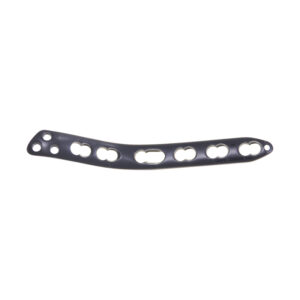
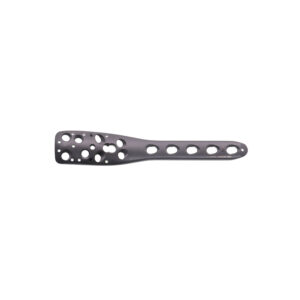
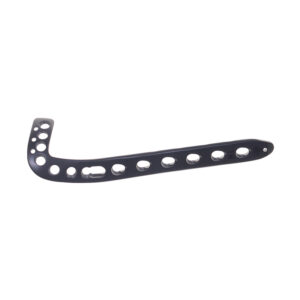
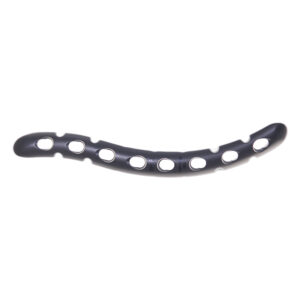
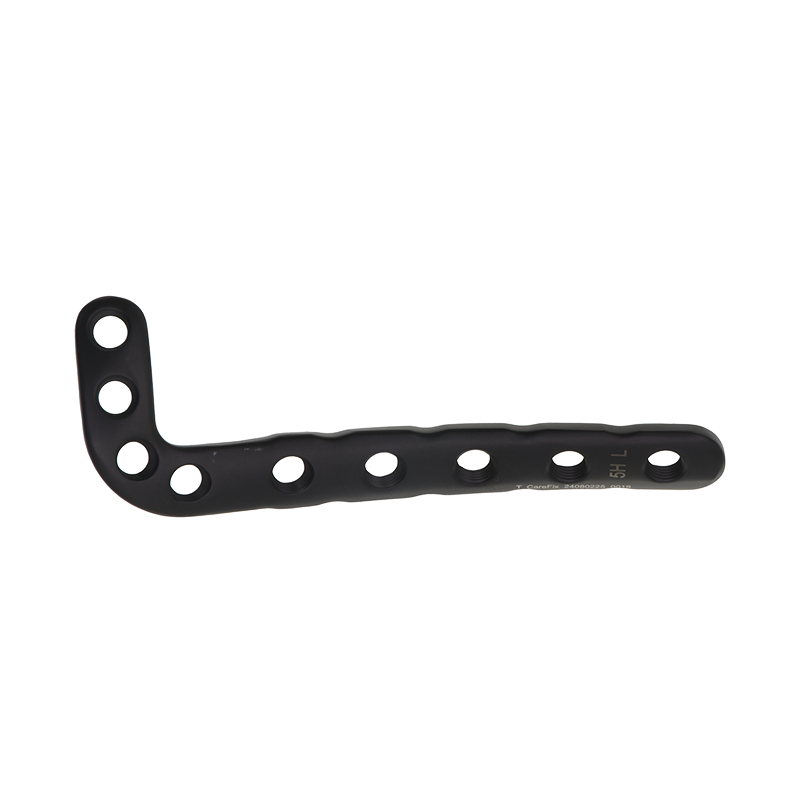
LCP Distal Tibia L-Plate
q&នៃក
សំណួរទី 1: What is an LCP Distal Tibia L-Plate used for?
ក 1: It is designed for fixation of distal tibial fractures, including extra-articular, intra-articular, metaphyseal, and pilon fractures.
សំណួរទី 2: Why does the plate have an “L” shape?
A2: The L-shape provides optimal coverage of the distal tibial surface, allowing multiple screw trajectories for strong fixation in the distal fragment.
សំណួរទី 3: What is the advantage of a locking compression plate (LCP) design?
A3: The LCP design offers angular stability, preserves periosteal blood supply, and provides reliable fixation even in osteoporotic or comminuted fractures.
សំណួរទី 4: What material is the Distal Tibia L-Plate made from?
ក 4: It is commonly made of titanium alloy (Ti-6AL-4V) or medical stainless steel, ensuring strength, ជីវកាត, and corrosion resistance.
q5: How is the plate anatomically designed?
ក 5: The plate is pre-contoured to match the anteromedial or medial aspect of the distal tibia, minimizing the need for intraoperative bending.
q6: What types of screws are used with this plate?
ក 6: It uses locking head screws in the distal segment for angular stability and cortical screws in the shaft for compression and initial fixation.
q7: Can the LCP Distal Tibia Plate be used for minimally invasive techniques?
A7: បាត, it supports MIPPO (Minimally Invasive Percutaneous Plate Osteosynthesis) to reduce soft tissue damage and preserve blood supply.
សំណួរទី 8: What lengths and configurations are available?
ក 8: The plate is available in various lengths (5–13 holes) and both left and right anatomical versions to suit different patient anatomies.
សំណួរទី 9: What are the common complications associated with distal tibial plating?
A9: Potential issues include wound irritation, delayed union, or soft tissue compromise, especially in cases with thin skin coverage medially.
Q10: When can patients start weight-bearing after fixation with this plate?
A10: Partial weight-bearing can usually start after 6–8 weeks, depending on fracture stability and bone healing progress assessed by the surgeon.