描述
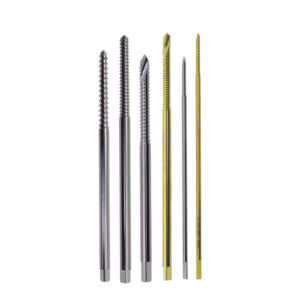
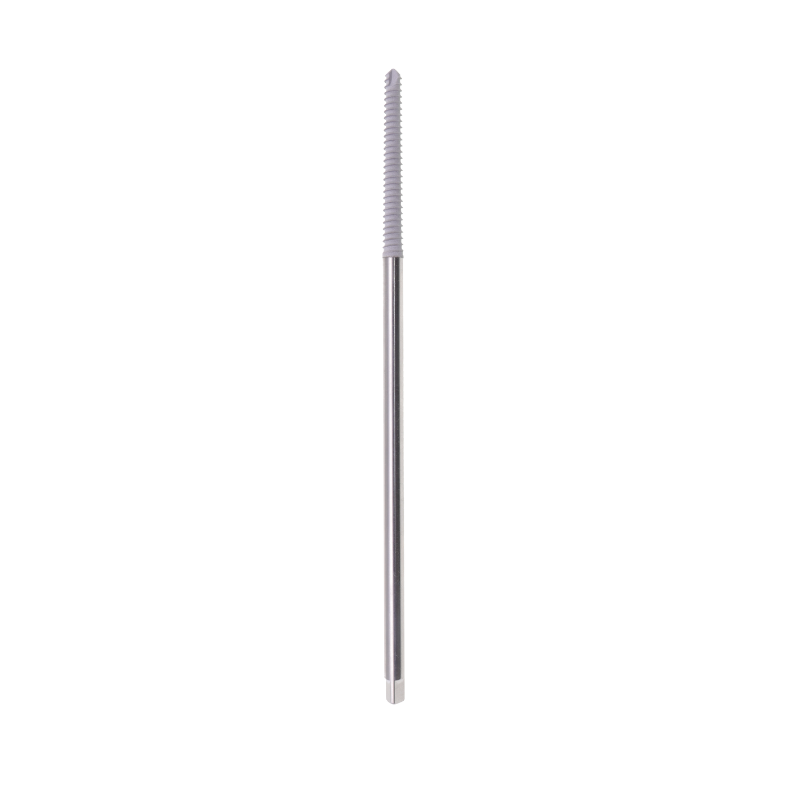
羟基磷灰石HA涂层schanz螺钉
问&一个
Q1: What is a Hydroxyapatite-Coated Schanz Screw and how does it differ from standard versions?
A1: It is a Schanz screw whose surface is coated with hydroxyapatite (HA), a calcium phosphate ceramic that mimics the mineral component of natural bone. Unlike standard uncoated screws, the HA coating enables direct chemical bonding with living bone tissue (osseointegration), significantly enhancing fixation stability.
Q2: What is the primary clinical benefit of the hydroxyapatite coating?
A2: The primary benefit is dramatically reduced pin loosening and enhanced long-term stability. The coating promotes bone on-growth and in-growth, creating a stronger bone-implant interface that is less prone to micromotion and subsequent failure, especially in long-term external fixation.
第三季度: In which patient populations or clinical scenarios is an HA-coated screw most beneficial?
A3: It is particularly advantageous in:
Osteoporotic bone: Where holding power of a standard screw is poor.
Long-term treatments: Such as limb lengthening or complex deformity corrections.
Revision cases: Where previous pins have loosened.
Patients with compromised healing potential.
第四季度: What is the evidence supporting the use of HA-coated Schanz screws?
A4: Multiple clinical studies have demonstrated superior outcomes, including:
Significantly lower rates of pin loosening (例如, reduced from ~30% to under 5% in some studies).
Higher overall fixation stability throughout the treatment period.
Improved patient comfort and maintenance of frame alignment.
Q5: Is the HA coating applied to the entire screw? If not, why?
A5: No, typically the HA coating is applied only to the threaded portion that resides within the bone. The uncoated shaft minimizes soft tissue adhesion and simplifies removal, while the coated threads ensure optimal bone integration where it matters most.
Q6: Are there any specific challenges or risks associated with the removal of an HA-coated screw?
A6: Yes, removal can be more difficult due to the strong osseous integration. It may require more torque and a careful, controlled technique to break the bone-bond and unscrew the pin without causing a fracture or stripping the screw head.
Q7: How does the insertion technique for an HA-coated screw differ from a standard one?
A7: The insertion technique is largely the same. 然而, it is even more critical to use low-speed drilling with continuous irrigation to avoid thermal damage during pilot hole preparation, as excessive heat can degrade the HA coating and compromise its bioactive properties.